


Oliveira / Olive tree
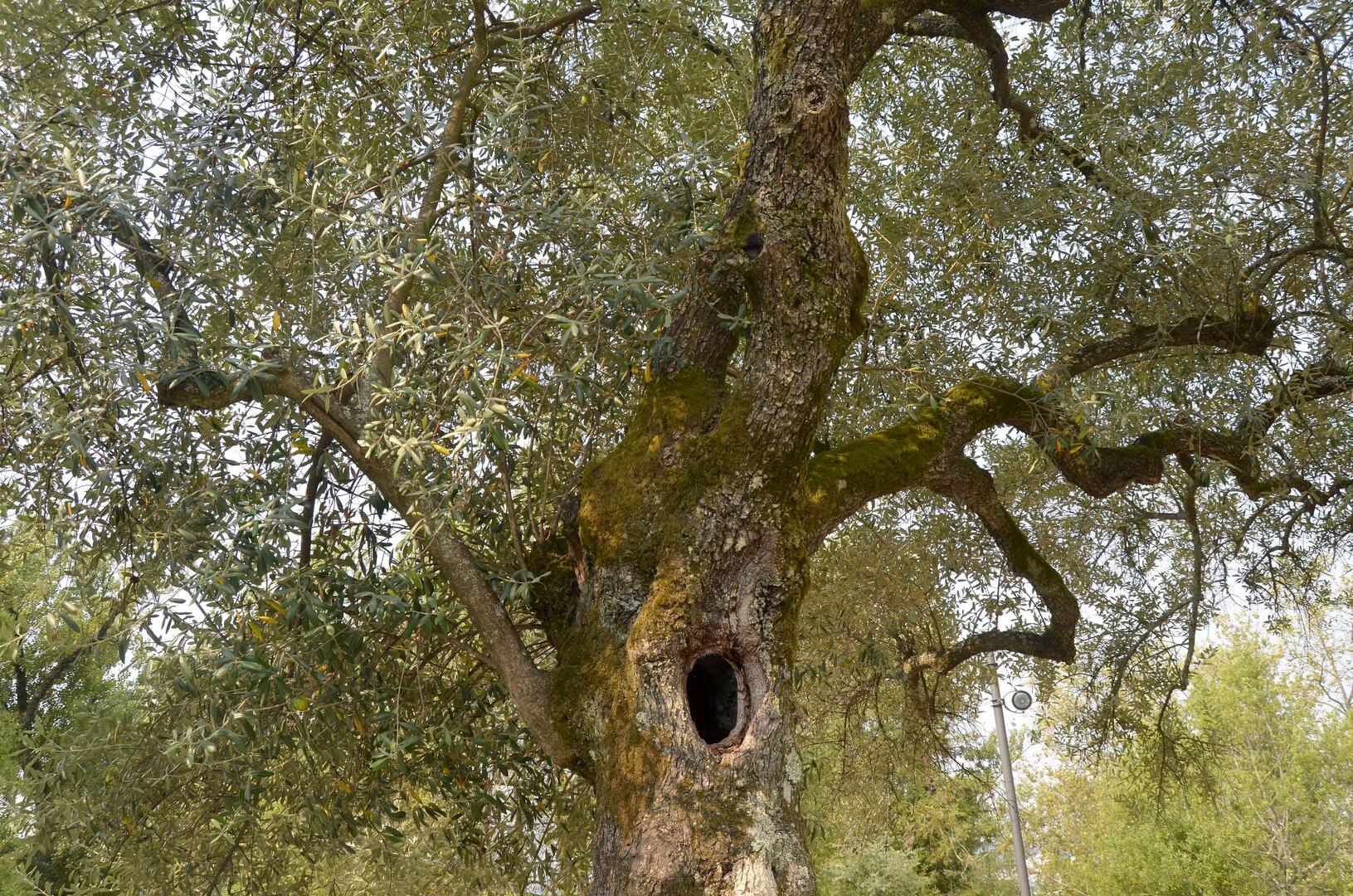
Nome Comum / Common Name:
Oliveira / Olive tree
Nome Científico / scientific name:
Olea europaea L.
Família / Family:
Oleaceae
Ordem / Order:
Lamiales
Sub-classe / Sub-class:
Lamiidae
Classe / Class:
Magnoliopsida
Descritor / Descriptor:
L.
Distribuição Geral / Main Distribution:
Região Mediterrânica / Mediterranean
Época Floração / Flowering time:
maio-julho / May-July
Património / Heritage:
O Olival foi um espaço documentado na história do Paço dos Duques como de extrema importância, muito ligada ao uso do azeite para fins alimentares e outros, bem como ao simbolismo da Oliveira na cidade. Esta oliveira centenária simboliza a importância deste lugar na história do Paço dos Duques. The olive grove was a documented area in the history of the Ducal Palace for its great importance. This is widely associated to the use of olive oil in food preparation and for other purposes, as well as for the symbolism of the Olive tree in the city. This centennial olive tree symbolizes the importance of this place in the history of the Ducal Palace.
História e aplicações:
O nome científico da oliveira (Olea europaea) deriva do grego elaía que dá origem ao seu nome comum e de élaion que significa azeite. A Oliveira é vista como a árvore mais emblemática de Guimarães, fazendo parte da simbologia vimaranense, estando presente nas suas tradições e no seu imaginário. Está presente no brasão da cidade e dá o nome à sua praça mais emblemática, à Colegiada e à própria Santa Maria. É referido que a oliveira de Guimarães teria vindo no início do século XIV, do antigo mosteiro de S. Torcato, onde produzia azeite para a lâmpada do santo. No entanto, plantada na Praça Maior, junto à Colegiada acabaria por secar conservando-se já morta nesse lugar durante várias décadas. A tradição atribui-lhe inúmeros milagres, incluindo o do seu próprio renascimento, anos mais tarde. As suas folhas têm aplicação medicinal, sendo usadas para combater a tensão alta. A sua madeira possui elevada resistência servindo para pequenas peças de marcenaria e marchetaria. O interesse alimentar (azeitonas e azeite) motivou cruzamentos e apuramentos para obter frutos de maior tamanho, o que causou um afastamento morfológico em relação à variedade silvestre (zambujeiro).
History and applications:
The scientific name of the olive tree (Olea europaea) derives from the Greek elaía (that originated its common name) and from élaion, which means olive oil. The Olive tree is perceived as the most emblematic tree in Guimarães, it is part of the Guimarães imagery, being present in the traditions and symbolism of the City. The Olive tree is present in the city’s coat of arms and it gives its name to the city’s most emblematic square, Collegiate and Our Lady. It is said that the Olive tree of Guimarães was brought, at the beginning of the 14th century, from the former monastery of S. Torcato, where it produced oil for the Saint’s lantern. However, when already planted in the city’s greatest square, next to the Collegiate, it eventually dried out, but it was kept dead in the square for several decades. Tradition ascribes it many miracles, including that of its own rebirth, years later. Its leaves have medicinal application, such as the treatment of high blood pressure. Its wood is of high resistance, serving for small pieces of carpentry and marquetry. In terms of nutrition (olives and olive oil) it led to crossings and improvements in order to conceive superior products, which caused a morphological deviation from its wild variety (Olea Oleaster).